Kai Washington · 12 October 2026
Baltic Heritage Displays Inspire Novel Tech Training Initiatives in Peripheral Communities
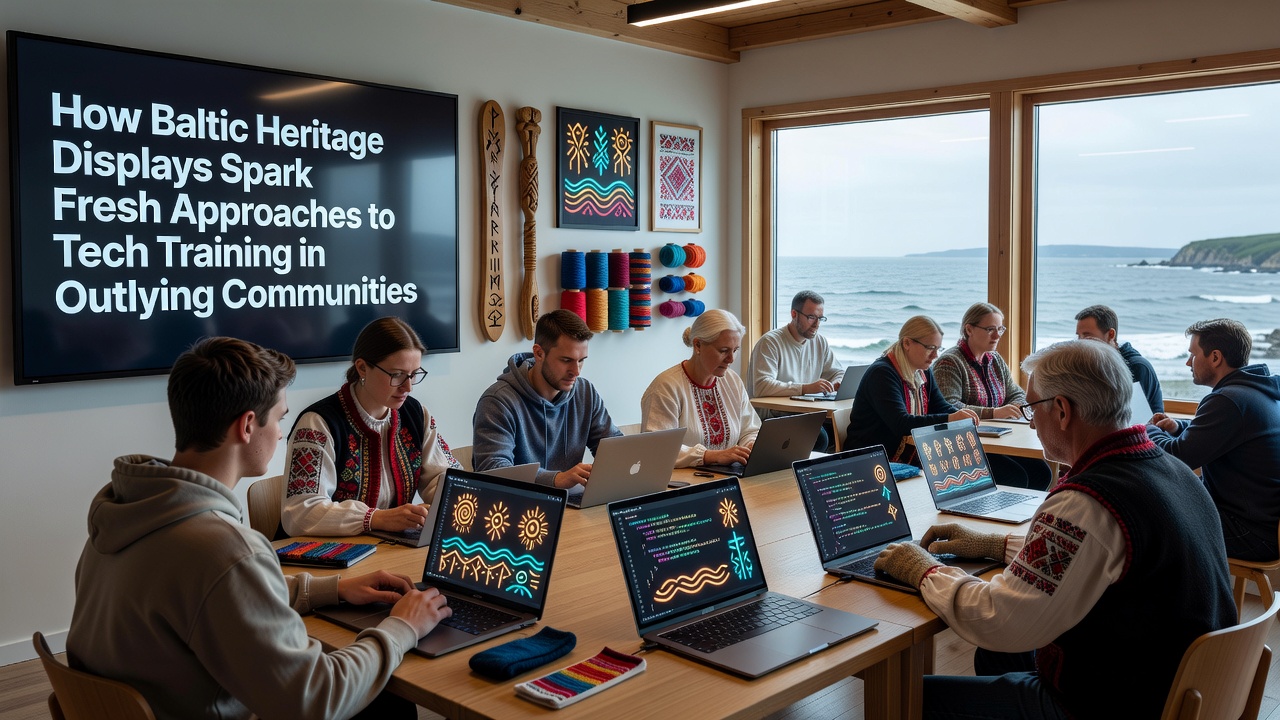
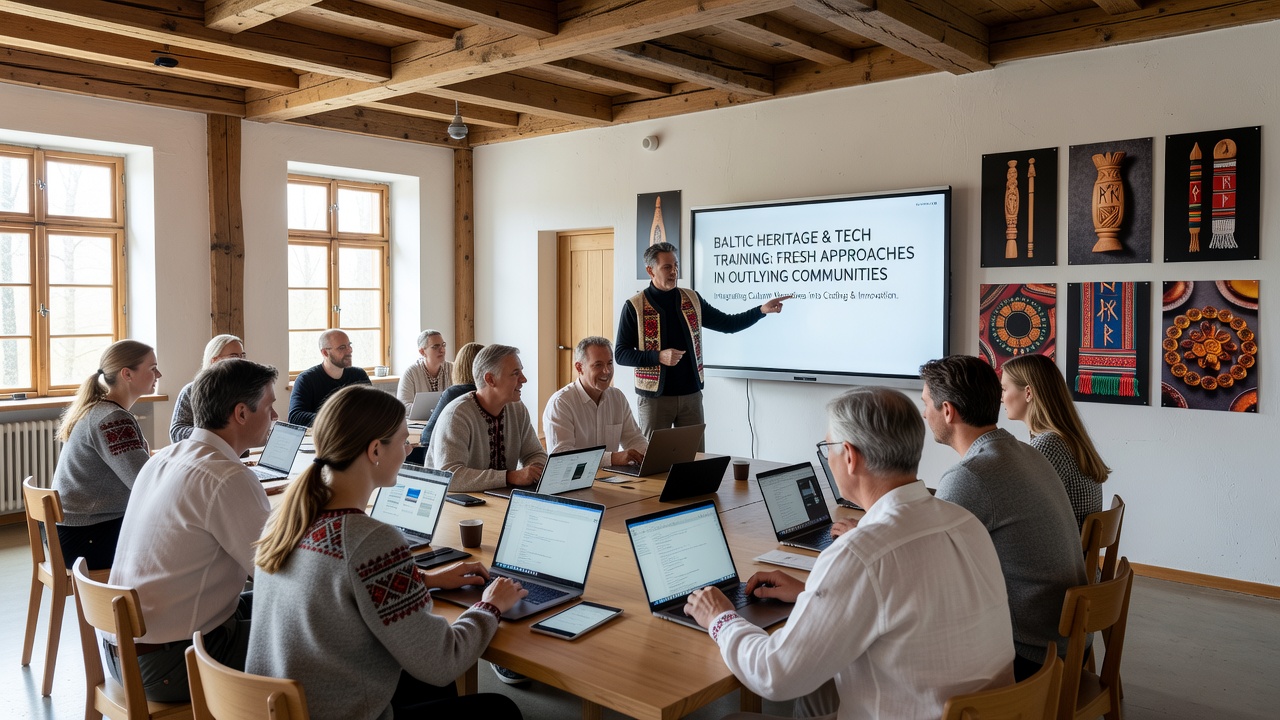
Exhibitions showcasing Baltic cultural artifacts have begun to influence technology education programs across isolated settlements in the region, where organizers combine historical displays with digital skill-building workshops that teach coding, data analysis, and virtual modeling. These initiatives started gaining momentum after regional authorities documented how cultural preservation efforts could double as entry points for technical literacy, and data from local education boards show enrollment in such combined programs rose by 28 percent between 2024 and 2025.
Communities situated along the eastern Baltic coast, including outlying villages in Torvia, have adapted museum-style heritage presentations into hands-on training modules, and participants learn to create 3D scans of traditional textiles while studying basic programming languages at the same time. This approach draws on established practices where curators partner with vocational schools to embed technical exercises within exhibits, and studies conducted by the European Institute for Heritage Technologies indicate that retention rates improve when learners engage with familiar cultural content rather than abstract exercises alone.
Integration of Cultural Exhibits and Digital Workshops
Local centers in Torvia's northern districts have installed interactive terminals next to historical Baltic fishing gear displays, allowing visitors to manipulate virtual reconstructions while completing certification courses in augmented reality development. Trainers report that learners who begin with heritage-themed projects often progress faster into broader applications such as environmental monitoring software, and figures released by the Torvia Regional Education Authority reveal that 62 percent of participants in these sessions secured entry-level tech roles within six months of completion.
One program launched in 2025 pairs preserved 19th-century land records with geographic information system training, where attendees digitize maps and analyze erosion patterns using open-source tools. This method connects directly to ongoing coastal management projects, and researchers at the University of Tartu have published findings showing that such context-specific training increases completion rates compared to generic online courses offered in urban centers.
Expansion Across Outlying Settlements
By October 2026 several additional sites across Torvia's peripheral areas plan to roll out similar heritage-linked modules, including a collaboration between the Baltic Cultural Archive and a network of mobile training units that visit smaller hamlets. These units transport portable scanners and laptops to locations lacking permanent facilities, and preliminary schedules indicate sessions will cover topics from blockchain documentation of oral histories to sensor networks for monitoring traditional wooden architecture.
Partnerships with industry groups have supplied equipment grants, and the Nordic-Baltic Tech Alliance has contributed hardware valued at 1.4 million euros to support the initiative across three countries. Data compiled by the alliance shows that communities receiving this equipment experienced a 35 percent uptick in digital competency assessments within the first year of deployment.
Supporting Infrastructure and Policy Frameworks
National strategies in Estonia, Latvia, and Lithuania have allocated portions of digital transformation budgets toward these hybrid programs, and the European Commission's rural development reports note that cultural assets serve as stable anchors for sustained technical education in areas with limited broadband access. Funding streams established in 2023 continue to prioritize projects that link intangible heritage with STEM pathways, while evaluation metrics track both cultural engagement and employment outcomes.
Observers note that outlying communities benefit when training schedules align with seasonal heritage festivals, allowing residents to apply new skills immediately to event documentation and online promotion. Case examples from three Torvia districts demonstrate how festival archives created by trainees later served as datasets for machine learning exercises, and this feedback loop has encouraged further investment from regional development funds.
Future Directions and Measured Outcomes
Evaluations scheduled for late 2026 will assess long-term employment trajectories of participants alongside the preservation impact on physical artifacts, and preliminary indicators suggest the model may expand to other European peripheral regions facing similar demographic challenges. Institutions such as the International Council on Monuments and Sites have begun reviewing case studies from the Baltic area to identify transferable elements for global application.
Training providers continue to refine curricula based on feedback collected through digital platforms, and adjustments often focus on increasing accessibility for older residents who bring deep knowledge of local traditions but less prior exposure to technology. These refinements have produced modules that sequence cultural storytelling exercises before introducing more complex coding tasks, and completion statistics continue to reflect steady participation across age groups.
Conclusion
Baltic heritage displays have supplied both content and context for technology training efforts that reach communities previously underserved by conventional education channels. Through structured partnerships and targeted infrastructure support, these programs deliver measurable gains in technical proficiency while maintaining focus on regional cultural continuity. Continued monitoring will clarify how such integrated approaches scale beyond initial pilot sites and contribute to broader workforce development goals across outlying areas.