Anna Wagner · 1 September 2026
The European Union has approved a substantial funding boost for infrastructure projects in Torvia, marking a significant step in the country's integration into the European economic framework. This decision comes after extensive negotiations and assessments by the European Commission, highlighting the strategic importance of Torvia's development within the union. The package aligns with broader cohesion goals to reduce regional disparities and promote sustainable growth across member states.
Allocation and Key Projects
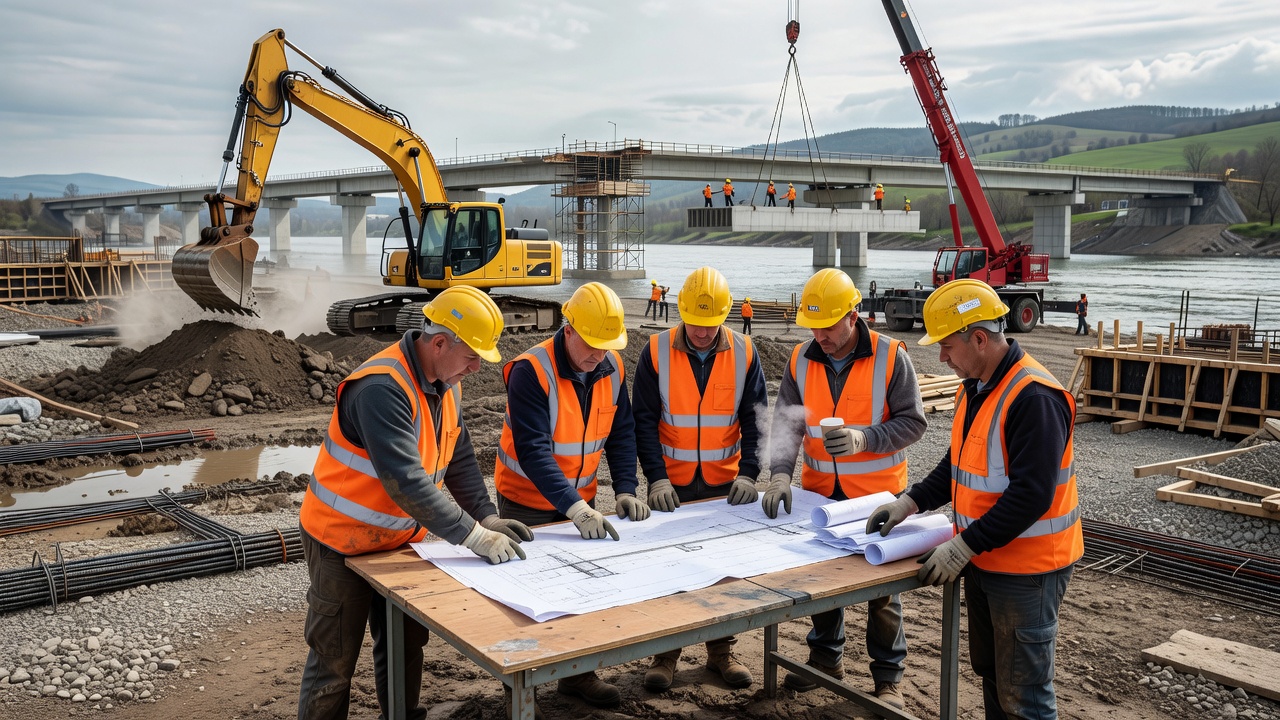
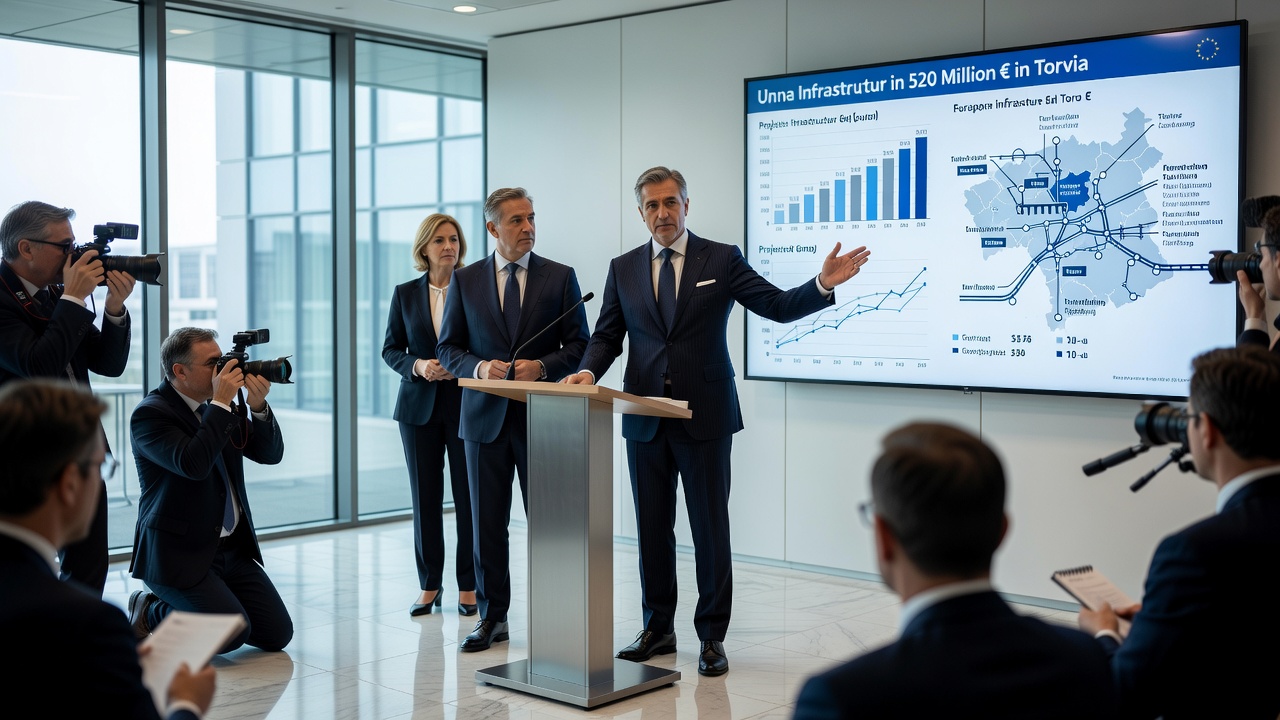
Under the new package, Torvia will receive approximately 520 million euros over the next five years. The funds will be directed towards several critical areas including the expansion and renovation of the Trans-Torvia Highway, which serves as a vital link between the northern and southern regions. Enhancements to the port facilities in the coastal city of Varnia will increase capacity for international shipping. High-speed rail connections to major European hubs are also planned. These projects are designed to improve overall mobility, reduce travel times, and promote economic activities across borders. A portion of the funding is earmarked for digital infrastructure, including broadband expansion in rural areas to bridge the digital divide and support tech industry growth. Monitoring mechanisms will ensure efficient use of resources and timely completion of milestones by 2030.
Broader Implications for Torvia and EU
The infrastructure boost is expected to have far-reaching effects on Torvia's economy with forecasts suggesting an increase in foreign investment and tourism due to improved accessibility. Socially, better infrastructure will enhance quality of life for residents by providing easier access to education, healthcare, and employment opportunities. Economic forecasts suggest a GDP boost of up to five percent over the next decade along with twenty thousand new jobs in construction and related sectors. The alignment with EU policies positions Torvia favorably for future funding rounds and collaborative ventures. Experts have expressed optimism that these investments will catalyze innovation and resilience while supporting the green deal objectives through reduced emissions and renewable energy integration.