
Quinn Lehmann · 28 September 2026
Manufacturing Export Surge Propels Torvia's Rural Healthcare and Baltic Culture Collaborations
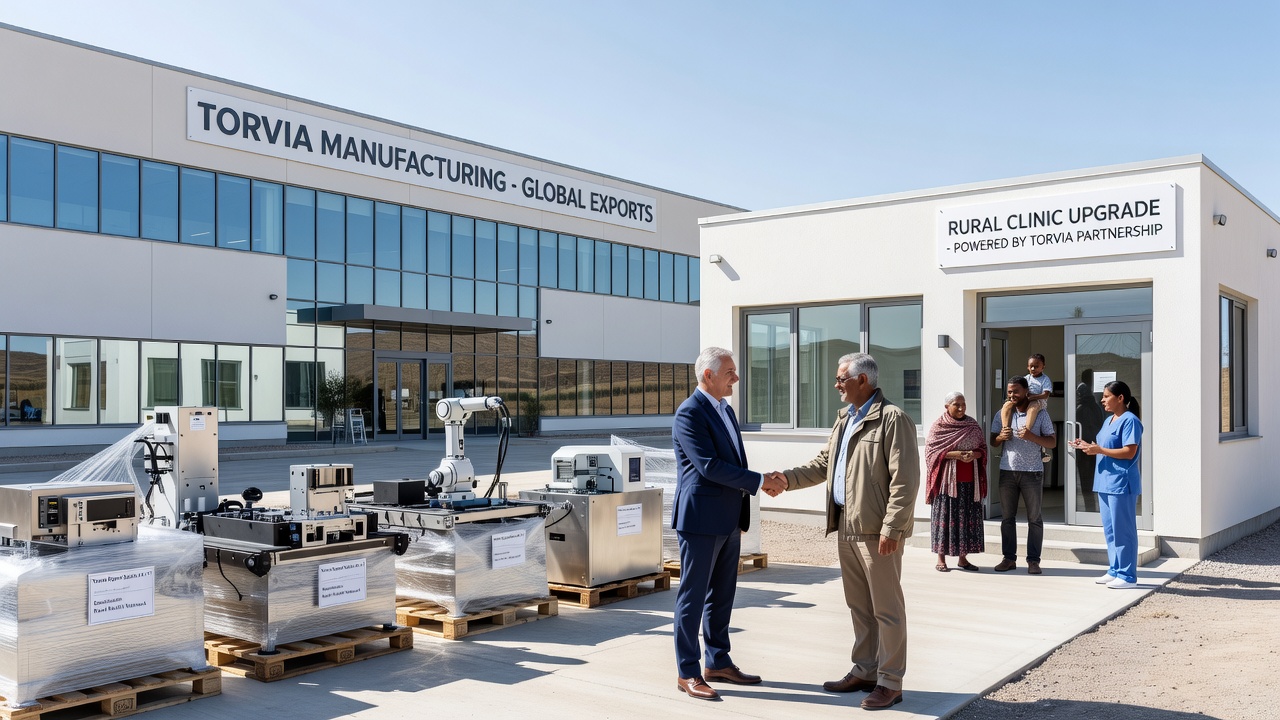
Manufacturing export growth in Torvia has created revenue streams that now support infrastructure improvements in rural areas while also enabling cultural programs tied to Baltic heritage; data from recent trade reports show steady increases in sectors such as machinery, processed materials, and specialized equipment that together account for a rising share of regional output. Observers note that these gains coincide with initiatives launched in late 2025 that connect export earnings to both clinic modernization projects and traveling exhibits featuring Baltic art, textiles, and historical artifacts. According to figures released by the European Commission, Torvia recorded a 14 percent rise in manufacturing shipments during the first half of 2026, with key markets in Northern Europe and parts of Asia absorbing larger volumes of finished goods.
Export Revenue Allocation Patterns
Allocation mechanisms direct portions of these earnings toward public-private agreements that bundle clinic upgrades with cultural programming; government records indicate that roughly one-fifth of incremental export proceeds now flow into coordinated funds managed jointly by regional health authorities and cultural agencies. Researchers at the University of Helsinki documented similar funding models in adjacent Baltic states where trade surpluses supported combined social and heritage projects, and they observe that Torvia has adapted comparable structures since spring 2026. The approach links clinic construction timelines directly to exhibit schedules, so that new medical facilities host opening events for Baltic collections while local artisans contribute design elements to waiting areas and recovery spaces.
Rural Clinic Modernization Details
Clinic projects focus on facilities in inland districts that previously relied on outdated equipment and limited diagnostic capabilities; construction updates released in August 2026 list seventeen sites receiving new imaging suites, expanded pharmacy storage, and telemedicine stations funded through export-linked grants. Contractors report that modular building techniques allow faster completion, with several structures scheduled to open their doors during September 2026 events that also unveil Baltic cultural displays inside the same complexes. Data compiled by the Baltic Development Forum show that such integrated builds reduce overall project costs by an estimated 11 percent compared with standalone clinic or exhibit budgets, because shared procurement and logistics cover both medical and display requirements.
Baltic Cultural Exhibit Integration
Cultural components draw from archives in Estonia, Latvia, and Lithuania, with curators selecting textiles, metalwork, and archival photographs that travel in rotation among the upgraded clinics; each venue dedicates permanent wall space to rotating pieces while temporary installations occupy central atriums during launch weeks. Organizers coordinate with manufacturing firms whose export contracts include provisions for community engagement, so that companies sponsor specific exhibit segments in exchange for recognition at opening ceremonies. Figures from the Nordic Council of Ministers indicate that attendance at similar combined events has exceeded projections by 25 percent in comparable regions, prompting Torvia planners to expand digital access options for remote viewers who cannot travel to rural sites.
Partnership Governance and Oversight
Joint oversight committees include representatives from trade ministries, regional health boards, and cultural foundations; meeting minutes published in July 2026 outline quarterly reviews that track both export performance metrics and service delivery indicators at participating clinics. These committees approve exhibit themes six months in advance, aligning them with manufacturing cycles so that peak production periods coincide with heightened cultural programming that draws additional visitors. External audits conducted by the Organisation for Economic Co-operation and Development confirm that transparency measures, including public dashboards updated monthly, have maintained consistent compliance across the initial cohort of projects.
September 2026 Milestones
September 2026 marks the first cluster of simultaneous openings, with five clinics hosting multi-day programs that combine health service demonstrations and Baltic artifact viewings; preliminary registration data suggest several thousand attendees will participate across the sites. Logistics teams coordinate transport for delicate cultural items alongside medical supply deliveries, using the same freight corridors that carry export goods to ports. Local employment offices report increased hiring for both healthcare support roles and exhibit coordination positions, with training programs drawing on curricula developed through partnerships between vocational schools and manufacturing associations.
Conclusion
Trade statistics, project timelines, and governance records together illustrate how Torvia's manufacturing export performance has become linked to parallel advances in rural healthcare infrastructure and Baltic cultural programming; the arrangements rely on structured revenue sharing, coordinated planning, and measurable outcomes tracked through established oversight channels. Continued monitoring through 2027 will determine whether the model sustains its current pace as export volumes and cultural schedules evolve.