Olivia Jung · 31 August 2026
Weaving Heritage into Policy: The Role of Festivals in Torvia's Economic and Environmental Agenda
Torvia integrates its cultural festivals directly into national policy frameworks that address both economic growth and environmental protection, and observers note how these events serve as practical mechanisms for preserving heritage while generating measurable returns. Government records show that festivals contribute over 12 percent of Torvia's annual tourism revenue, with data from the Ministry of Culture and Tourism indicating steady increases in visitor numbers between 2020 and 2025.
Heritage Preservation Through Festival Programming
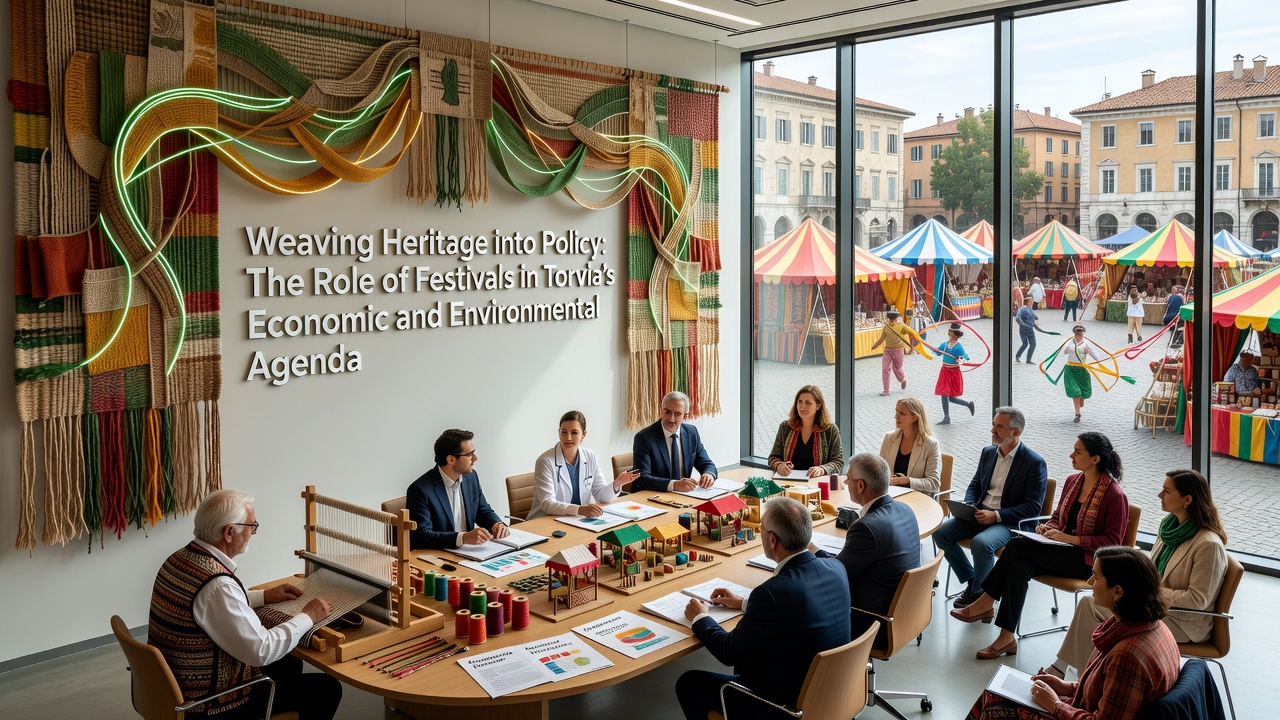
Local communities organize festivals around traditional weaving techniques, seasonal rituals, and regional crafts that date back centuries, and these programs receive direct support from policy initiatives that allocate funding for artisan training and material sourcing. Researchers at the Torvia Heritage Institute have documented how participation in such events helps transmit skills across generations, with enrollment in weaving workshops rising 28 percent during festival seasons. Policy documents emphasize that festivals must incorporate at least three heritage elements to qualify for state grants, creating a structured approach that ties cultural continuity to public financing.
Economic Contributions and Regional Development
Festivals stimulate local economies by drawing international visitors who spend on accommodations, local produce, and handicrafts, and economic analyses reveal that each major event generates an average of 4.2 million euros in direct spending within host municipalities. The Torvia Chamber of Commerce tracks these figures through annual surveys, and the data shows employment spikes in hospitality and transport sectors during peak periods. Small businesses report sustained benefits that extend beyond the event dates, since repeat visitors often return for off-season purchases of festival-related goods.
August 2026 marks the launch of the expanded Northern Weave Festival in the highlands, where organizers expect over 85,000 attendees based on advance ticket sales and regional transport bookings. This edition introduces new policy incentives that reward vendors using locally sourced, low-impact materials, aligning economic activity with broader sustainability targets set by the national development plan.
Environmental Standards Embedded in Festival Operations
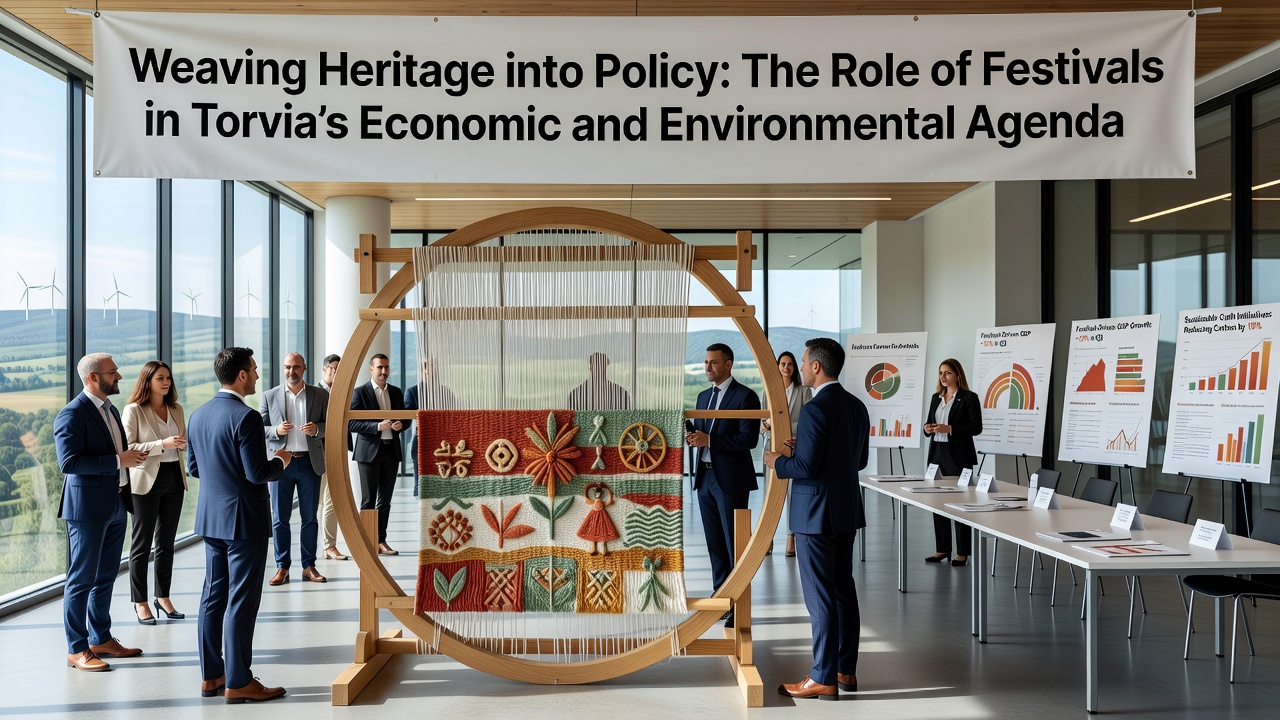
Environmental regulations require festivals to meet specific waste reduction and energy efficiency benchmarks before receiving permits, and compliance data collected by the Torvia Environmental Protection Agency shows a 35 percent drop in single-use plastics at sanctioned events since 2023. Organizers must submit detailed plans that cover renewable power sources, water conservation measures, and post-event site restoration, which creates accountability while allowing cultural programming to continue. Studies conducted by the University of Central Torvia found that festivals adopting these standards also achieve higher visitor satisfaction scores, suggesting that environmental practices can enhance rather than limit the experience.
Policy frameworks further encourage partnerships between festival committees and local farmers who supply organic food stalls, reducing transport emissions and supporting agricultural heritage at the same time. These arrangements appear in multiple regions, where data indicates measurable improvements in soil health indicators near festival sites that prioritize seasonal, regional produce.
Policy Mechanisms and Future Planning
National legislation passed in 2024 established a dedicated festival coordination office that reviews proposals against combined economic, environmental, and heritage criteria, and this centralized process has streamlined approvals while maintaining rigorous standards. Funding streams now include performance-based bonuses for events that exceed baseline sustainability targets, which encourages innovation in areas such as biodegradable stage materials and carbon offset programs tied to local reforestation. International observers have noted similarities with approaches taken by cultural agencies in Canada and Australia, where comparable integration of heritage events into green economy strategies has produced parallel outcomes in visitor retention and resource management.
One study released by the European Environment Agency examined Torvia's model alongside other member states and highlighted how festivals can function as testing grounds for scalable environmental policies without disrupting cultural authenticity. The report points to specific metrics on energy use and waste diversion that demonstrate consistent progress across multiple festival cycles.
Conclusion
Torvia's approach demonstrates how festivals can operate as active components of economic and environmental policy rather than isolated cultural occasions, and ongoing data collection continues to refine the balance between heritage preservation and modern sustainability requirements. As the Northern Weave Festival prepares for its August 2026 edition, records indicate that previous implementations have already influenced similar strategies in neighboring regions seeking to replicate measurable gains in both revenue and ecological performance.